Exterior Protection Built for Storm Exposure
Siding Installation in Fort Myers for homes requiring durable cladding that resists moisture intrusion, wind uplift, and UV degradation in coastal conditions
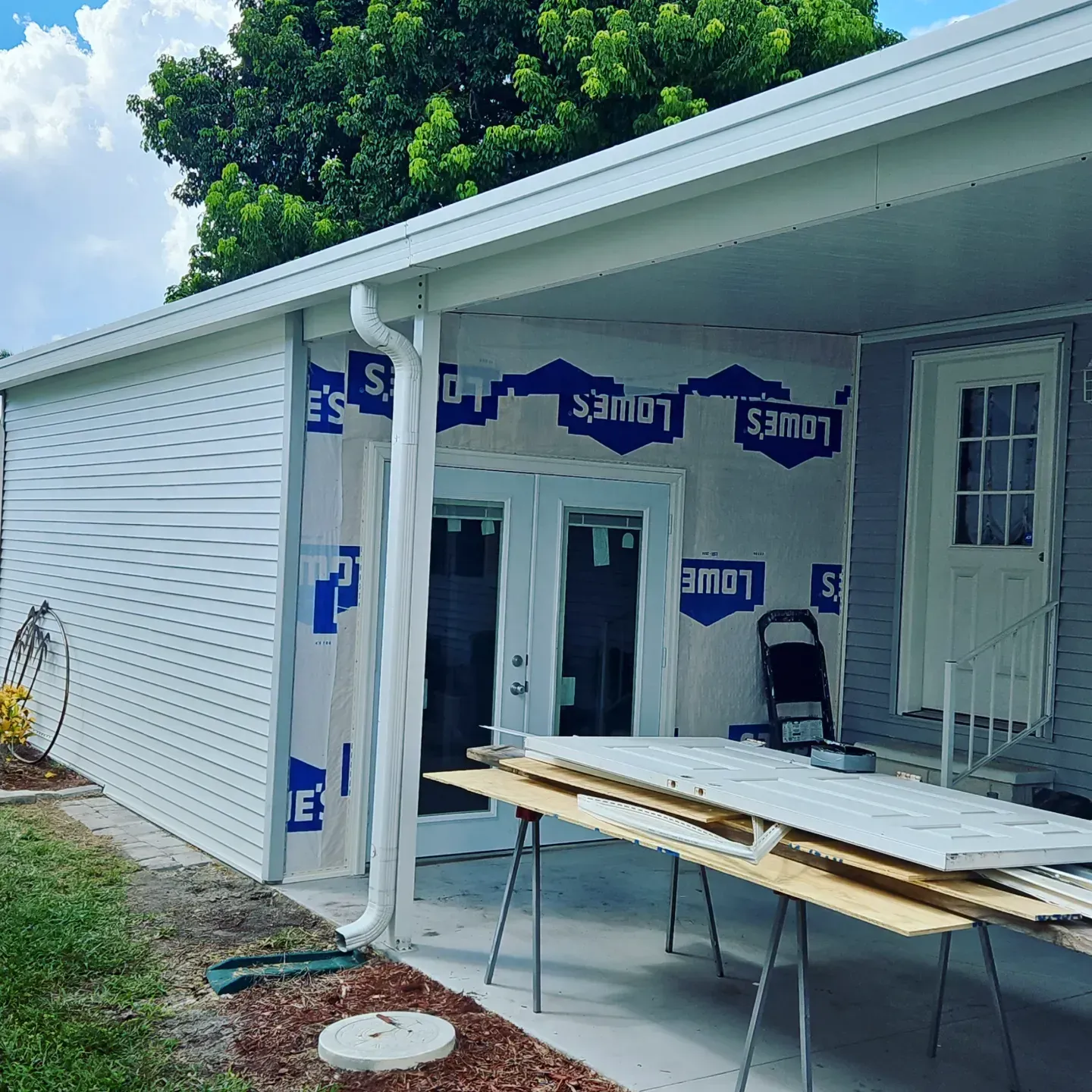
Fastener placement and water-resistive barrier integration matter more for long-term siding performance than the cladding material itself, since even high-quality products fail when installed without proper flashing at wall penetrations or adequate ventilation behind the siding surface. Hurley Construction Services LLC installs siding systems with attention to how each component layer manages moisture, allows drainage, and handles differential movement between the structure and cladding. Coastal installations require corrosion-resistant fasteners, since standard nails and screws develop rust staining and lose holding power within a few years when exposed to salt air and humidity cycles that accelerate oxidation.
Siding installation begins with inspecting and repairing sheathing, applying a drainage plane that directs incidental moisture outward, and installing starter strips that establish level and provide the correct reveal angle. Vinyl siding requires expansion gaps at trim and corner intersections since material movement from temperature swings causes buckling when panels are fastened too tightly, while fiber cement and engineered wood need specific clearances from grade and horizontal surfaces to prevent wicking moisture that causes edge swelling and paint failure.
Schedule a consultation to evaluate your existing siding condition and discuss material options appropriate for your home's architecture and exposure level.
What Proper Siding Installation Prevents
The drainage plane behind the siding determines whether wind-driven rain that bypasses the cladding escapes through weep holes and ventilation gaps or accumulates against sheathing where it promotes rot and mold growth. Housewrap or building paper must be lapped correctly and integrated with window and door flashing so water moves downward and outward at every transition rather than finding paths into wall cavities.
After installation, you notice that the exterior presents a uniform appearance without waves, buckling, or misaligned seams, and previously visible water stains or mold growth on interior walls no longer appear after rain events. Properly installed siding reduces cooling costs by providing a continuous thermal barrier and eliminating air infiltration paths that allowed unconditioned air to bypass insulation in wall cavities.
Material selection involves comparing maintenance requirements, expected lifespan, and how products hold up to wind speeds and debris impact common during tropical storms. Fiber cement offers superior impact resistance and fire rating compared to vinyl but costs more and requires periodic painting, while engineered wood provides a authentic appearance with less expansion and contraction than solid wood siding.
Homeowners considering siding replacement in Fort Myers typically want information about material durability, installation timelines, and how new cladding affects energy performance and maintenance.
Answers to Frequent Siding Questions
What siding materials hold up best in high humidity and salt air?
Fiber cement, vinyl, and aluminum resist moisture damage and corrosion better than wood or composite products, though all materials require corrosion-resistant fasteners and proper drainage plane installation to prevent hidden deterioration.
How does new siding improve energy efficiency beyond just appearance?
Modern siding installations include continuous insulation or fanfold backing that reduces thermal bridging through wall studs, and proper air sealing at penetrations eliminates drafts that older installations allowed around outlets, fixtures, and trim boards.
When should underlying sheathing be replaced during a siding project?
Sheathing with visible rot, delamination, or soft spots must be replaced before new siding is installed, since deteriorated substrate will not hold fasteners securely and may allow moisture to bypass the drainage plane.
Why do some siding installations develop waves or buckling within a few years?
Fastening panels too tightly prevents normal expansion and contraction, causing vinyl to buckle in summer heat, while inadequate ventilation behind fiber cement or engineered wood traps moisture that leads to swelling and paint failure.
What preparation work happens before siding installation begins?
Existing siding is removed and disposed of, sheathing is inspected and repaired as needed, window and door trim is evaluated for replacement, and the drainage plane is installed with proper lapping and integration at all penetrations and transitions.
Hurley Construction Services LLC provides siding consultations that address your home's specific exposure conditions, architectural style, and performance requirements. Request a detailed estimate that includes material specifications, preparation work, and trim details for a complete exterior upgrade.